
Introduction
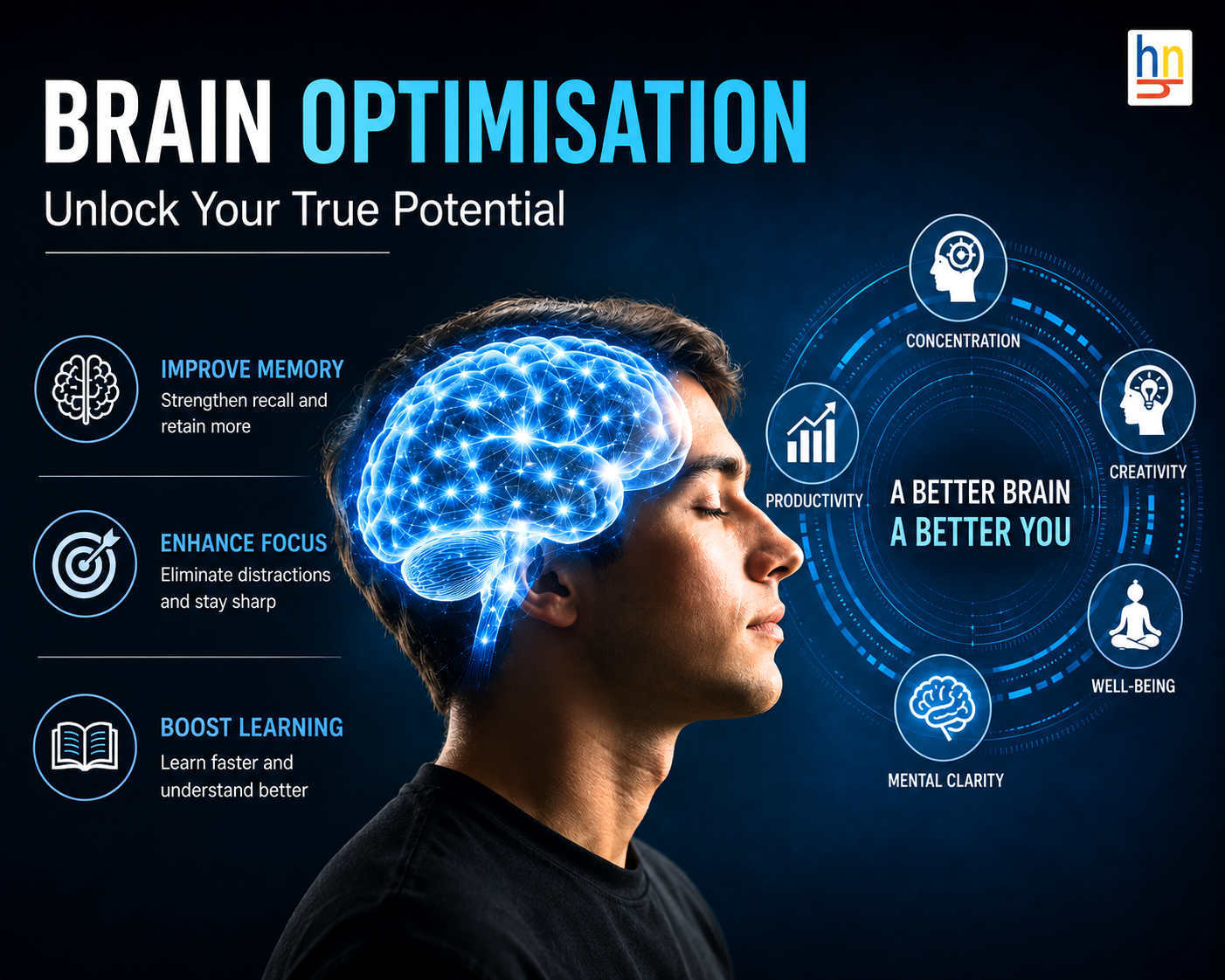
The human brain is responsible for everything we do—from remembering names and solving problems to making decisions and learning new skills. However, factors such as stress, poor sleep, unhealthy eating habits, and excessive screen time can affect how efficiently our brain works. If you’ve noticed difficulty concentrating, forgetting important information, or feeling mentally exhausted, it may be time to focus on brain optimisation.
Brain optimisation is a comprehensive approach to supporting healthy brain function through lifestyle improvements, cognitive exercises, proper nutrition, and professional guidance when needed. Rather than offering quick fixes, it aims to enhance the brain’s natural ability to learn, adapt, and perform efficiently.
Whether you’re a student preparing for exams, a professional managing demanding responsibilities, or an older adult looking to maintain cognitive health, brain optimisation can help support better memory, sharper focus, and improved learning capacity.
What Is Brain Optimisation?
Brain optimisation refers to strategies and practices designed to improve the brain’s overall performance. It focuses on strengthening cognitive functions while supporting long-term brain health.
The brain has an incredible ability to adapt and create new neural connections throughout life. This process, known as neuroplasticity, allows people to continue learning, improving skills, and adapting to new situations regardless of age.
An effective brain optimisation approach supports several important functions, including:
- Memory and recall
- Concentration
- Learning ability
- Problem-solving
- Decision-making
- Mental clarity
- Information processing
- Emotional balance
Instead of working harder, brain optimisation helps the brain work more efficiently.
Why Brain Optimisation Is Important
Today’s lifestyle places significant demands on the brain. Continuous notifications, long working hours, academic pressure, poor sleep habits, and chronic stress can reduce cognitive efficiency over time.
Common signs that your brain may need additional support include:
- Frequently forgetting information
- Difficulty concentrating
- Mental fatigue
- Slow thinking
- Reduced productivity
- Trouble learning new concepts
- Feeling distracted throughout the day
While occasional forgetfulness is normal, persistent cognitive challenges should be assessed by a qualified healthcare professional.
How Brain Optimisation Improves Memory
Memory plays a central role in everyday life. From remembering appointments to retaining new information, a healthy memory supports both personal and professional success.
Strengthens Neural Connections
Learning new skills, reading regularly, and engaging in mentally stimulating activities encourage stronger neural pathways, making it easier to store and retrieve information.
Improves Attention
Memory begins with attention. When your brain focuses better, it processes information more effectively, allowing memories to form more efficiently.
Supports Healthy Sleep
Quality sleep allows the brain to organise and consolidate memories. People who sleep well often experience better recall and improved learning.
Reduces Cognitive Stress
Long-term stress may interfere with memory by affecting areas of the brain involved in learning. Relaxation techniques and stress management can support healthier cognitive function.
Brain Optimisation for Better Focus
Focus is the ability to stay engaged with a task without becoming distracted. Strong concentration is essential for studying, working, driving, and making informed decisions.
Several factors can affect attention, including:
- Poor sleep
- Stress
- Anxiety
- Digital overload
- Physical inactivity
- Nutritional deficiencies
Brain optimisation encourages healthy habits that may improve attention span and support consistent concentration throughout the day.
Potential benefits include:
- Better task completion
- Improved productivity
- Faster decision-making
- Greater work efficiency
- Enhanced academic performance
The Connection Between Brain Optimisation and Learning
Learning depends on several cognitive processes working together. Memory, attention, reasoning, and processing speed all contribute to how effectively new information is understood and retained.
Brain optimisation helps by supporting:
Working Memory
Working memory allows us to temporarily hold and use information while reading, solving problems, or following instructions.
Cognitive Flexibility
This refers to the brain’s ability to adjust to new information, switch between tasks, and think creatively when solving problems.
Processing Speed
Faster mental processing allows individuals to understand and apply information more efficiently.
Executive Function
Planning, organisation, time management, and decision-making are all executive functions that play an essential role in successful learning.
Supporting Healthy Brain Development
Although brain development is most rapid during childhood, the brain continues to change throughout adulthood. Healthy lifestyle choices can help maintain strong neural connections and encourage lifelong learning.
Ways to support brain development include:
- Reading regularly
- Learning new skills
- Staying physically active
- Eating a balanced diet
- Maintaining social connections
- Managing stress effectively
- Getting adequate sleep
- Participating in mentally challenging activities
These habits contribute to long-term cognitive health and resilience.
Building Strong Cognitive Skills
Cognitive skills enable us to think clearly, solve problems, communicate effectively, and make informed decisions.
Important cognitive skills include:
- Attention
- Memory
- Language
- Logical reasoning
- Planning
- Decision-making
- Visual processing
- Auditory processing
Regular cognitive stimulation, combined with healthy lifestyle practices, helps strengthen these essential abilities over time.
Improving Mental Performance Naturally
Mental performance reflects how efficiently the brain processes information and completes cognitive tasks.
Simple daily habits can support better mental performance:
Stay Physically Active
Regular exercise improves blood circulation to the brain and supports overall cognitive health.
Eat Brain-Friendly Foods
A balanced diet rich in fruits, vegetables, whole grains, lean proteins, nuts, and healthy fats provides nutrients that support normal brain function.
Prioritise Sleep
Adults generally benefit from 7–9 hours of quality sleep each night, allowing the brain to recover and process information effectively.
Manage Stress
Mindfulness practices, breathing exercises, meditation, and relaxation techniques may help reduce mental fatigue and improve concentration.
Continue Learning
Reading books, learning a language, solving puzzles, or developing new hobbies keeps the brain engaged and active.
Brain Fitness for Long-Term Cognitive Health
Just as regular exercise strengthens the body, consistent mental activity helps maintain brain fitness.
Brain fitness focuses on keeping the mind active through lifelong learning and cognitive engagement.
Activities that promote brain fitness include:
- Crossword puzzles
- Sudoku
- Chess
- Reading
- Writing
- Musical training
- Memory games
- Educational courses
Combining these activities with healthy lifestyle habits may help support cognitive health as people age.
Who Can Benefit from Brain Optimisation?
Brain optimisation is suitable for individuals at different stages of life.
Students
Students may benefit from improved concentration, better memory, enhanced learning ability, and greater academic confidence.
Working Professionals
Professionals often seek better productivity, sharper focus, improved decision-making, and reduced mental fatigue.
Older Adults
Maintaining brain fitness can help support healthy cognitive ageing and continued mental engagement.
Individuals Under Stress
People experiencing prolonged mental fatigue or stress may benefit from structured approaches that support overall cognitive well-being under professional guidance.
When Should You Seek Professional Advice?
If problems with memory, concentration, or learning begin affecting your daily activities, work, or academic performance, it is important to seek advice from a qualified healthcare professional.
A comprehensive evaluation can help identify possible causes and recommend personalised strategies to support better cognitive health.
Conclusion
Brain optimisation is a proactive approach to maintaining and improving cognitive health throughout life. By supporting brain development, strengthening cognitive skills, enhancing mental performance, and promoting long-term brain fitness, individuals can improve their ability to remember, focus, learn, and perform everyday tasks more effectively.
Simple lifestyle changes—including regular physical activity, balanced nutrition, quality sleep, stress management, and lifelong learning—can make a meaningful difference in brain health. When needed, professional assessment and personalised guidance can provide additional support for achieving optimal cognitive performance.
Investing in your brain today is an investment in better learning, improved productivity, and a healthier future.
Frequently Asked Questions (FAQs)
What is brain optimisation?
Brain optimisation refers to strategies that support healthy cognitive function by improving memory, focus, learning, and overall brain performance through healthy lifestyle practices and cognitive training.
Can brain optimisation improve memory?
Brain optimisation may support memory by encouraging healthy sleep, stress management, regular mental activity, and improved attention.
How does brain optimisation improve focus?
It supports concentration by promoting healthy habits, reducing distractions, and strengthening attention-related cognitive functions.
Who can benefit from brain optimisation?
Students, professionals, older adults, and individuals looking to improve cognitive health may all benefit from brain optimisation strategies.
How can I maintain good brain fitness?
Regular exercise, balanced nutrition, quality sleep, lifelong learning, social interaction, and mentally stimulating activities all contribute to maintaining healthy brain fitness.


